Senate Passes Sweeping Permitting Bill for Energy Projects and Data Centers
Seven Lights
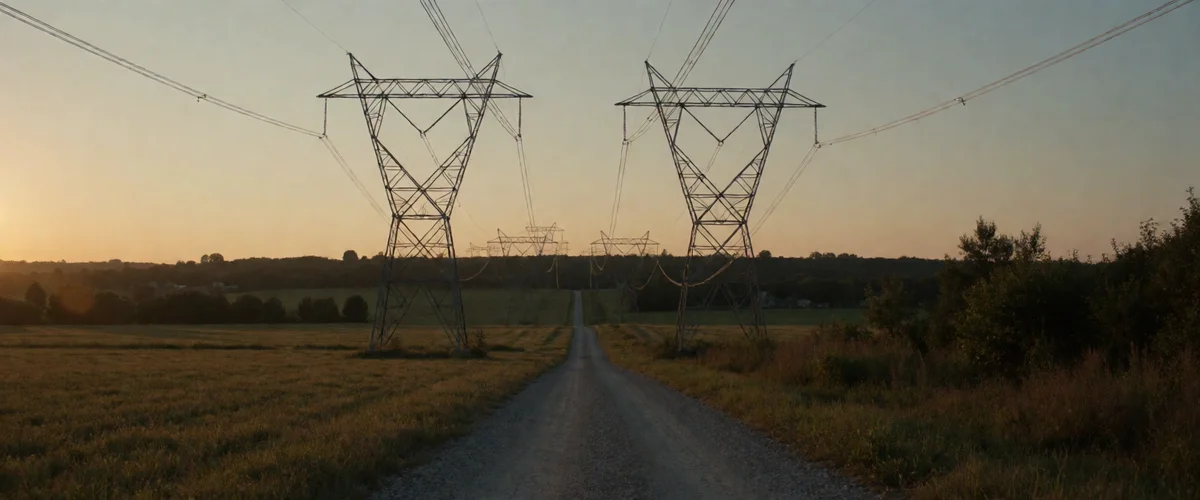
The Senate approved the Bipartisan American Affordability and Jobs Act of 2026 on Friday by 62 votes to 33, a sweeping overhaul of environmental review intended to speed construction of pipelines, transmission lines, mines, power plants, housing and data centers. The bill now goes to the House, which passed a more limited, industry-backed version last year.
Fifteen Democrats, among them minority leader Chuck Schumer, voted with nearly all Republicans. Missouri’s Josh Hawley and South Dakota’s Mike Rounds voted no. It is the first major legislative action by Congress since this year’s midterm elections, which repudiated the president’s party and its congressional allies.
The measure rewrites parts of the National Environmental Policy Act, the Clean Water Act and the Endangered Species Act, and sets new limits on judicial review of project approvals. Industry groups representing clean energy developers and oil and gas companies backed the bill, saying permitting has become a bureaucratic and judicial maze that delays infrastructure for a decade or more. Supporters also argue easier transmission approvals are needed to carry new power to a grid strained by data centers and rising household bills, a theme that dominated the midterms.
The White House backed the bill. Its National Energy Dominance Council engaged in the drafting, and officials have allowed some onshore wind projects bottled up by Pentagon reviews to proceed. President Trump said the bill would ensure the United States could build more quickly, “lowering Energy Costs for American Families.”
Environmental organizations denounced the measure. “This backroom deal will pave the way for even more fossil fuel projects like gas power plants for datacenters, oil and gas pipelines and liquefied natural gas terminals while sacrificing fundamental and commonsense public health and environmental protections,” said Jen Duggan, executive director of the Environmental Integrity Project, who called the bill “a gift to some of the biggest polluters in America” and objected that it was rushed through a lame-duck Congress without public hearings. Opponents also say it weakens the rights of Native American tribes and makes it harder for communities to challenge approvals.
Several analyses cited by supporters find the bill would produce somewhat lower power-sector emissions than a world without it, a point Democratic co-authors use to defend their votes. But anger over data centers and electricity prices has pushed many newly elected Democrats the other way, and the bill’s path through the House is not assured.
Conferees must reconcile the two chambers’ versions. House action, if any, would come before the new Congress is seated in January.