Sanders withholds support for Schumer as Senate Democratic leader
Seven Lights
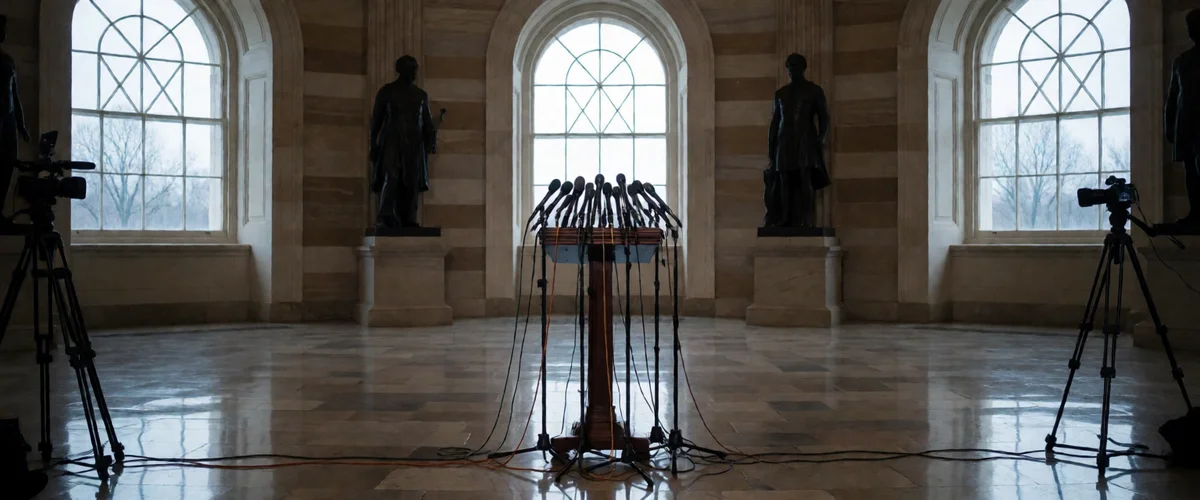
Sen. Bernie Sanders of Vermont announced Tuesday that he would not support Sen. Chuck Schumer of New York for Democratic leader when the party takes control of the Senate in January, becoming the most prominent progressive to oppose the incumbent’s renomination.
Speaking at a news conference at the Capitol, Mr. Sanders, an independent who caucuses with the Democrats, said last week’s midterm elections “were about change.” Democrats will hold at least 54 seats when the 120th Congress convenes. “I personally have known Chuck Schumer for over 30 years, and I like Chuck. Nobody who works harder than Chuck Schumer. But in my view, the time is now for change, and I will not be supporting Chuck to be reelected as the Democratic leader,” he said.
Mr. Sanders described the election as one “in red states and blue states, where people were looking around them and saying, ‘What is going on in America, when I am struggling to put food on the table, pay for healthcare, pay for housing… and my kid in the richest country in the history of the world is going to have the lowest standard of living than I do?’” He added that “the billionaire class has never ever had it so good.” He called for “a vigorous debate about the direction of the Democratic Party,” adding: “We need to have that out in the open to show the American people that a new day has come and that their votes meant a new direction in Washington.”
The Vermont independent appeared alongside Sen. Elissa Slotkin of Michigan, who also said she would not back Mr. Schumer. The Hill reported the two senators’ moves “underscore tensions in the caucus over who should lead the party after its stunning midterm victories,” with progressive and centrist wings squaring off. Sen. Raphael Warnock of Georgia declined repeatedly to commit to Mr. Schumer in a Monday interview on “The Breakfast Club.”
Mr. Schumer has led Senate Democrats since 2017 and steered the party through two minority periods and the 2024 presidential defeat. Party rules set no fixed date for the leadership ballot; caucus members are expected to choose a leader before the new Congress is sworn in in January.
No challenger has declared. Mr. Schumer’s office did not announce an immediate response to Mr. Sanders’s remarks. The leadership contest is likely to turn on how the caucus reads its midterm mandate: as a call for confrontation with the administration or for a centrist appeal to the states Democrats just carried.