Fresh bomb threats disrupt 18 more flights across Europe; no devices found
Seven Lights
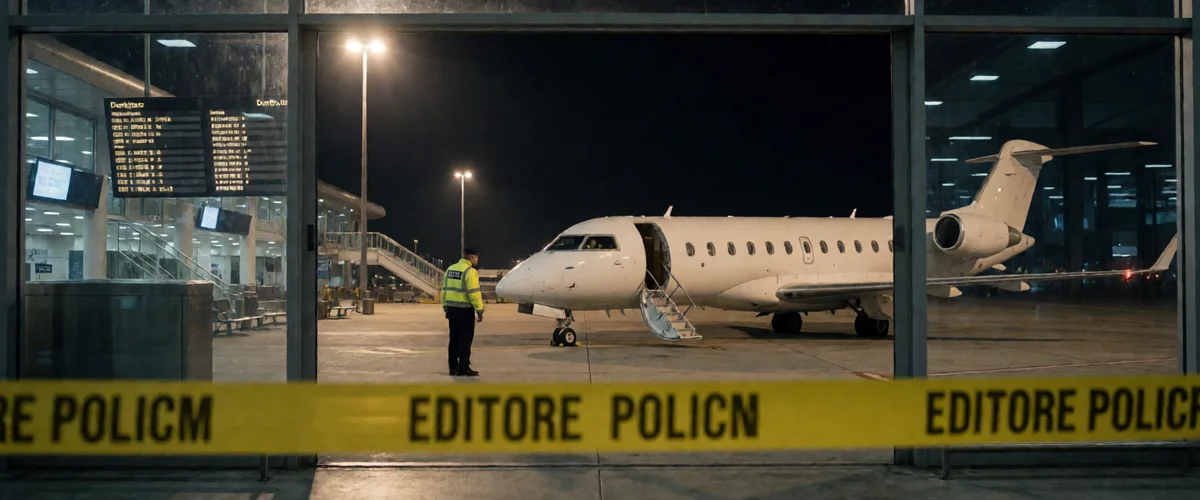
A fresh wave of bomb threats disrupted air traffic across Europe on Friday, affecting at least 18 flights to or from Bulgaria, Cyprus, Czechia, France, Hungary, Italy, Portugal, Romania and Britain. All affected aircraft landed safely, and searches revealed no explosive devices.
The alerts followed separate threats on Tuesday and Thursday that forced at least 35 flights to be diverted or searched. A group claiming responsibility for this week’s threats sent email warnings to several European news organizations, including outlets in Bulgaria, Ireland and Britain, telling of further attacks on transport. “This is only the beginning,” it reportedly said.
At least nine flights to and from Prague were affected, along with four flights over France, two en route to Sofia and a Lisbon-to-Rome service. Danish police investigated a threat against Copenhagen airport, though its management said the airport operated normally. Hungary’s defence minister, Romulusz Ruszin-Szendi, said the country scrambled fighter jets three times to escort civilian flights in its airspace.
The disrupted flights were a small share of the day’s traffic: 0.0674 percent of the 26,709 flights scheduled across Europe on Friday, according to the air traffic control agency Eurocontrol. Knock-on delays followed the diversions and searches.
A separate spate of threats against media organizations in Ireland on Friday disrupted broadcasts and prompted police searches and staff evacuations at offices and newsrooms. The taoiseach, Micheál Martin, told RTÉ Radio 1 after the broadcaster resumed scheduled programming that such threats had to be taken seriously and were an effort to sow fear and anxiety.
European authorities have described the week’s alerts as apparently coordinated and hoax-driven. No arrests were announced. Earlier this week, cyber-attacks targeted supermarket refrigeration systems in at least seven European countries. The Italian prime minister, Giorgia Meloni, said it was unclear whether the hoaxes and the cyber-attacks were connected, but that “today, what is under attack are civilian infrastructures.” NATO said it continued to monitor the situation and was working closely with allies.