Blue Origin slips New Glenn return to January 2027, unveils new stage and engine
Seven Lights
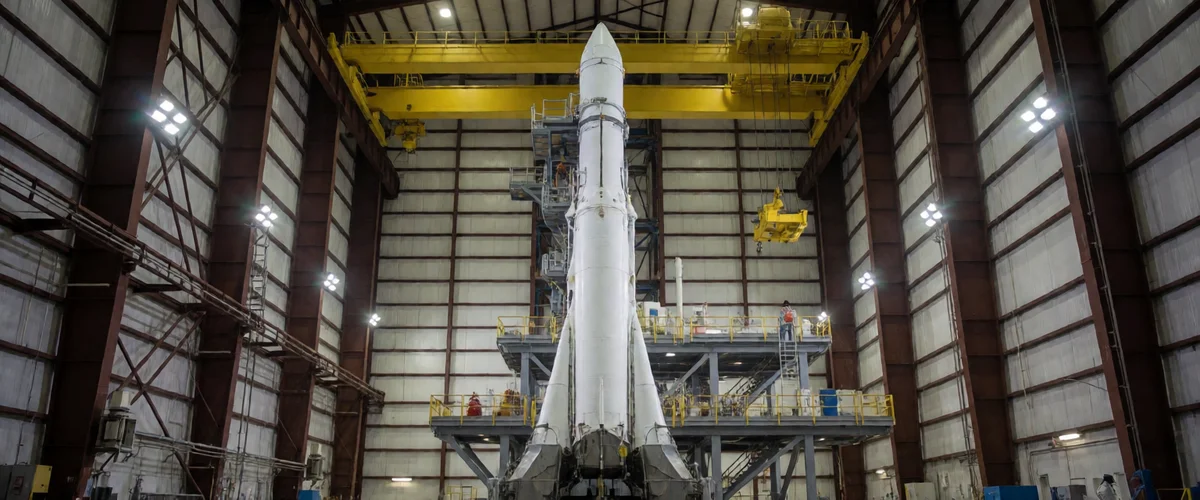
Blue Origin’s New Glenn rocket will not return to flight until January 2027, chief executive Dave Limp said in a memo to employees this week. The vehicle exploded during a ground test in May, extensively damaging its launch pad at Cape Canaveral.
Mr. Limp had previously said the company planned to fly again this year. “We found and fixed the issue that caused the anomaly,” he wrote, according to The Register. An August company statement said the failure began with the main oxygen valve of the BE-4 engines built by Blue Origin’s BE Aerospace unit.
The company used the same week to announce two hardware changes. A third stage, GS3, can place payloads into geostationary orbit and on trajectories escaping Earth; it is already under contract for a cislunar mission for a government customer in 2028. A new booster engine, Northstar, uses about half as many parts as the BE-4, weighs 30 percent less and raises thrust at sea level from 640,000 to 715,000 pounds-force. Space.com and Ars Technica reported the announcements; Engadget reported the launch delay.
The slip compresses the schedule for the company’s contracted NASA work. New Glenn is slated to carry Blue Moon lunar lander missions, and the delay puts pressure on next year’s Artemis III demonstration mission, in which lunar technologies from Blue Origin and SpaceX are to be tested.
Blue Origin has flown New Glenn on a handful of missions before the accident. The rocket is also slated to carry satellite broadband launches for Amazon’s Leo service. The rebuilt pad and the upgraded stage and engine are intended to raise the rocket’s payload range and cut unit costs, executives said.
An inspection of the May failure by federal aviation authorities remains open. The next milestone is a static-fire test of the modified vehicle ahead of the January window.